Bahamas at a Glance
A geographic and cultural orientation to the Bahamas as a whole, independent of any single island
Verified
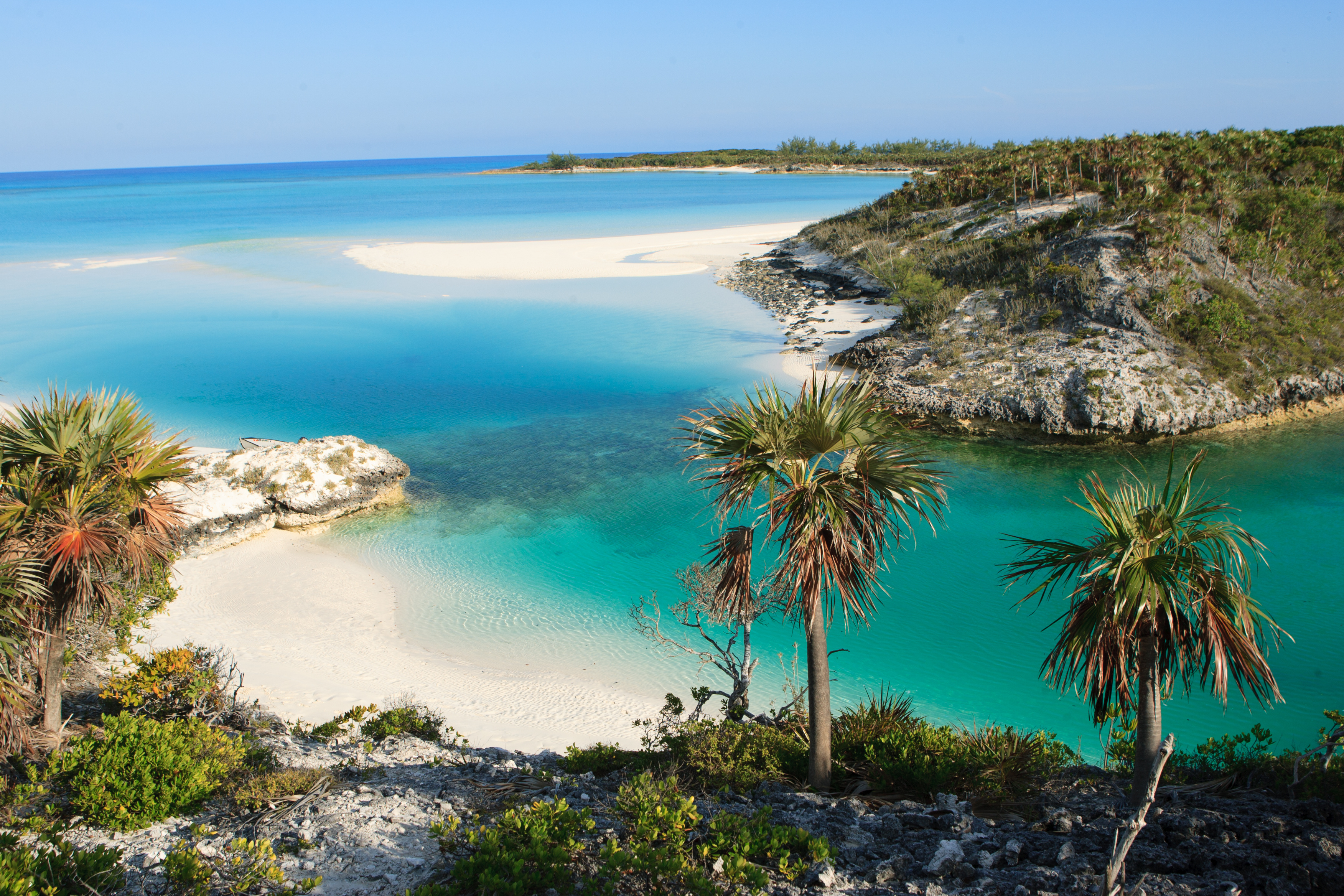
The Bahamas is an archipelago of over 700 islands and cays stretching about 500 miles across the Atlantic Ocean, with only 30 of those islands inhabited. The country comprises 16 distinct island destinations, each with its own character and appeal. The range is staggering: Nassau is a proper city with international hotels and a casino strip, while the Exumas are 365 islands and cays of near-empty water and sandbars. That variety is the whole point. Pick the wrong island for what you want and you'll be bored or overwhelmed within a day.
A few geographical anchors worth knowing: Andros is the largest island in the archipelago, the Abacos are the recognized boating capital of the Bahamas, and Cat Island holds the country's highest point at Mt. Alvernia. Long Island's Dean's Blue Hole is the world's second deepest blue hole, and Inagua hosts over 80,000 flamingos across its national parks. The Berry Islands are a cluster of nearly 30 cays, most of them uninhabited.
The culture is genuinely its own thing, not just a backdrop for resorts. Junkanoo parades on Bay Street in Nassau are the flagship expression of that culture, with the main events falling on Boxing Day and New Year's Day. Fish fries on Friday nights and the easy rhythm of out-island life are all worth engaging with rather than retreating from into an all-inclusive.
For deeper planning, see Compare Islands for how the main destinations stack up against each other.
When to Go
Peak season runs mid-December through mid-April. Crowds are thicker and prices higher, but the weather is as reliable as it gets: warm, low humidity, and the temperature never drops below 60°F. This is the right time for first-timers who cannot afford a ruined trip.
September and October are the low season: fewer crowds, but many Bahamian businesses close for part of this period, and the heat is genuine. The Atlantic hurricane season runs June through November, so anything from July onward carries weather risk. If you're going in shoulder season, have a flexible return ticket.
Full seasonal breakdown and month-by-month guidance is at When to Go.
Getting There and Getting Around
Nassau's Lynden Pindling International Airport is the main gateway and the most connected to U.S. hubs. There are 20 international airports across the islands, which matters because getting to the out-islands almost always requires a second flight or a boat. Domestic service connects Nassau to Exuma, Eleuthera, Harbour Island, Andros, Long Island, Bimini, Abaco, San Salvador, and Grand Bahama.
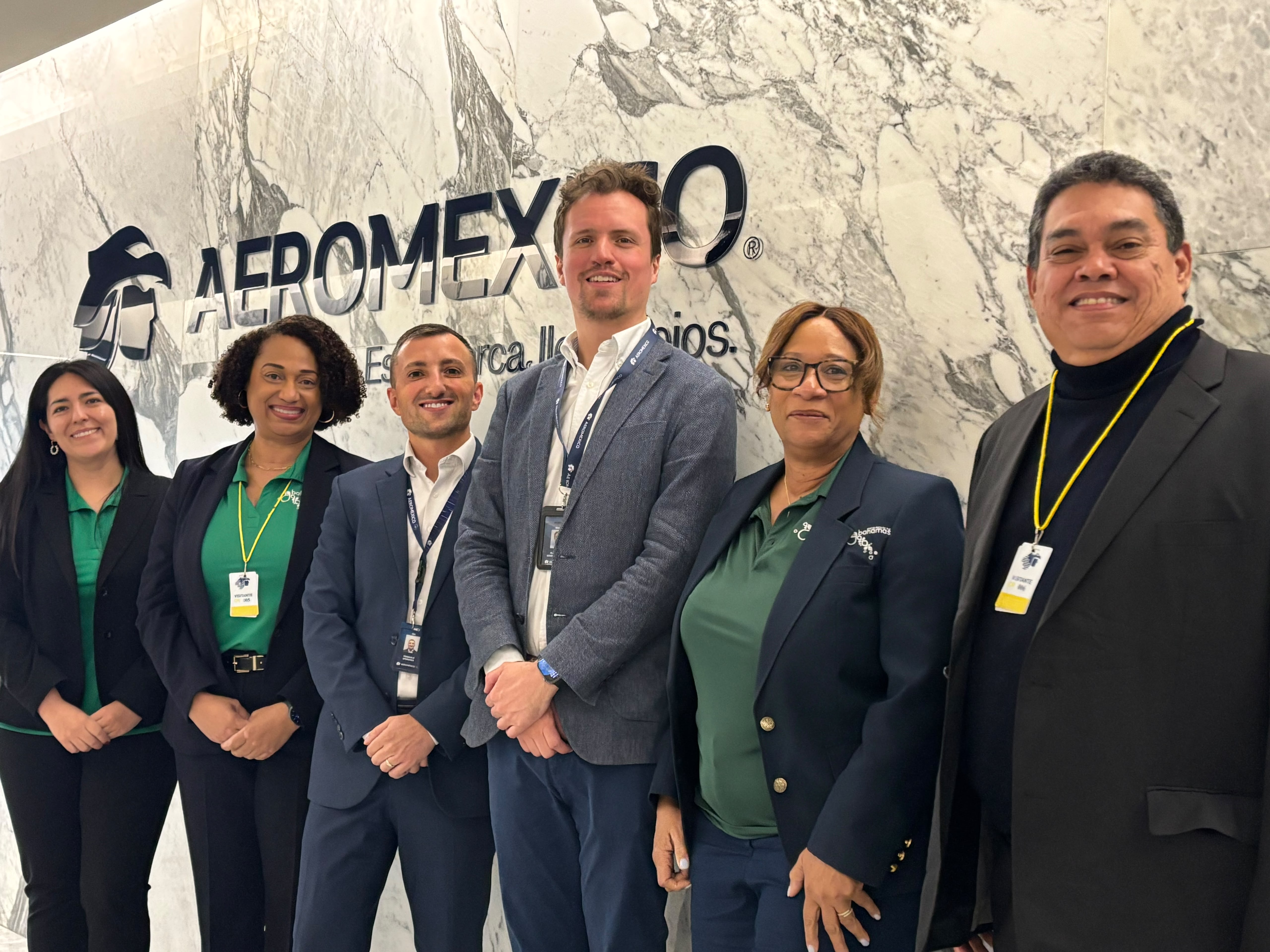
Bahamasair operates flights from Nassau to George Town on Grand Exuma. Makers Air began scheduled service to Arthur's Town Airport on Cat Island as of May 12, 2026. Aeroméxico launches nonstop service from Mexico City to Nassau starting March 19, 2027, with flight times of approximately three hours.
On the ground and water: taxis and car rentals cover Nassau and the larger islands. Charter boats are the practical way to move between smaller cays. The Let's Go Bahama rideshare app operates via WhatsApp at (242) 801-8007. The Green Turtle Ferry serves the Abaco Islands; the Sheep Runner Ferry connects Long Island and Georgetown in Exuma. Ferry schedules and prices change seasonally, so verify all of these before relying on them.
A simplified cruising permit system is in effect as of April 1, 2026, with 30-day, six-month, and 12-month options. No anchorage fees apply for marina-berthed vessels under this system.
Full transport options are covered in Getting Around and flight logistics in Getting There.
Nassau and Paradise Island
Nassau is the capital and the entry point for most visitors. It has the full range: luxury resorts, a casino, colonial architecture, and some of the best dining in the country. Graycliff on West Hill Street is the marquee fine dining option, set in an 18th-century mansion with five-star credentials. Dune at The Ocean Club, a Four Seasons Resort on Paradise Island, is the other serious restaurant worth knowing about.
Atlantis Paradise Island is the famous ocean-themed mega-resort on Paradise Island. Its Aquaventure water park covers 141 acres and the property also has a casino and golf course. Baha Mar is the other major resort complex, spanning 1,000 acres with 3,000 feet of private beachfront. Both are full destinations in themselves rather than just hotels.
Lucayan National Park on Grand Bahama offers kayaking through mangroves and wildlife spotting if you want something away from the resort strip. The Anchor Bay Fish Fry every Friday is the most authentic food experience Nassau offers.
The Exumas
The Exumas are the best reason to leave Nassau. The chain runs about 100 miles and includes the Exuma Cays Land and Sea Park, a protected area stretching from Shroud Cay to Bells Cay. The water clarity here is exceptional, and the park's no-take rules mean the marine life is genuinely intact.
Standout stops in the Exumas:
Pig Beach on Big Major Cay is exactly what it sounds like: swimming pigs who meet boats in the shallows. It has become heavily visited, but it remains a singular experience.
Thunderball Grotto, west of Staniel Cay, is an underwater cave that featured in James Bond films. It is one of the better snorkeling sites in the whole archipelago.
Tropic of Cancer Beach is one of the most photographed beaches in the Exumas. Coco Plum Beach on Great Exuma is less visited and worth the detour.
Stocking Island has photogenic beaches and good snorkeling accessible from Georgetown.
Harbour Island
Harbour Island's Pink Sand Beach is three miles long and gets its color from crushed seashells and foraminifera mixed into the sand. The pink is real and visible in normal daylight, not just in filtered photographs. This is a small, walkable island with a strong sense of place, and it draws a different crowd from the Nassau resort scene.
Private Islands and Cruise Destinations
The Bahamas has become the primary location for cruise line private island destinations, and the competition between them has driven genuine investment.
Ocean Cay MSC Marine Reserve originally opened in 2019 on an artificial island built in the late 1960s. MSC Cruises holds a 100-year lease on it and opened a Marine Conservation Center there in April 2025. The island has eight beaches and more than two miles of beachfront. A lighthouse rises 165 steps. MSC is also developing a smaller second island informally called "Little Cay," about a third the size of Ocean Cay, to be built on a natural sandbank. No confirmed opening date has been announced.
Sandy Cay, a separate private island next to Ocean Cay, is expected to open in 2028 for MSC Cruises and Explora Journeys guests. Explora Journeys operates two ships with 461 suites each and a 1.25-to-1 guest-to-staff ratio.
Competing private island destinations in the Bahamas include CocoCay (Royal Caribbean), Half Moon Cay, Montage Cay, and Disney's Castaway Cay. Royal Caribbean operates CocoCay with private island facilities for Caribbean sailings. Norwegian Cruise Line operates Great Stirrup Cay with waterpark, pier, and pools. Princess Cays is a Carnival Corporation exclusive destination; Princess Cruises operated it for 30 years before recent itinerary changes.
Celebration Key, Carnival's private port on Grand Bahama's south shore, opened in July 2025. The original two-berth pier was expanded ahead of schedule to accommodate four ships total, enabling capacity for over 13,000 daily guests. In its first year (July 2025 to July 2026), Celebration Key welcomed approximately 2.5 million guests, with projections of approximately 3.5 million guests in year two. The expansion supports about 200 additional annual ship calls and 700,000 additional guest arrivals yearly. Twenty Carnival Cruise Line ships call from 10 U.S. homeports; Princess Cruises and AIDA joined the rotation as of late 2026. The development is projected to create 2,500+ direct Bahamian jobs over two decades and contribute approximately $9.7 billion to GDP and $3.2 billion in government revenue over 20 years.
Lookout Cay, another private destination, opened in 2024 on southern Eleuthera.
Cruises to Ocean Cay depart from Miami, the Orlando area, and New York.
Resorts Worth Knowing
Kamalame Cay is a family-run resort on a private 96-acre island. It scored 95.27 in Travel + Leisure's 2024 World's Best Awards survey, which puts it among the top-ranked resorts globally. It has an overwater spa, a nearby reef for snorkeling, and delivers breakfast to beachfront villas in wicker baskets. The scale is deliberately small and quiet, which is the opposite of Atlantis or Baha Mar.
For accommodation range across the islands, see Accommodation Options.
Tourism and Infrastructure
The Bahamas recorded 12.5 million visitor arrivals in 2025 and generated approximately $5.27 billion in tourism receipts. The country experienced three consecutive record years for visitor arrivals leading into 2025. As of August 2026, stopover arrivals were up 4.3% year-over-year, with Canadian stopover visitors up 13.8% year-over-year and 5.8% above 2019 levels. The Bahamas has positioned itself as a year-round superyacht hub with simplified cruising permits and diverse cruising grounds within close proximity to U.S. gateways.
The Ministry of Tourism has mounted a international marketing campaign under the tagline "It's not one island. It's a lifetime of them," launched in February 2025 and featuring Bahamian musician Lenny Kravitz. The ministry works with PR agencies across the United States, United Kingdom, France, Italy, and Canada. Digital marketing uses YouTube, Google, Instagram, and Facebook, with the main promotional platform at Bahamas.com.
Jackson Alexander Weech was appointed Director General of the Bahamas Ministry of Tourism, effective October 1, 2026, bringing 35+ years of tourism leadership experience across the Bahamas, Caribbean, and United Kingdom.
Practical Notes
Entry requirements, including passport rules and any health documentation, are covered in Entry Requirements. Budget and money guidance is at Money & Budget. Health and safety considerations, including hurricane preparedness, are at Health & Safety. Information on getting to the Bahamas by air and sea, including new international routes, is at Getting There.