
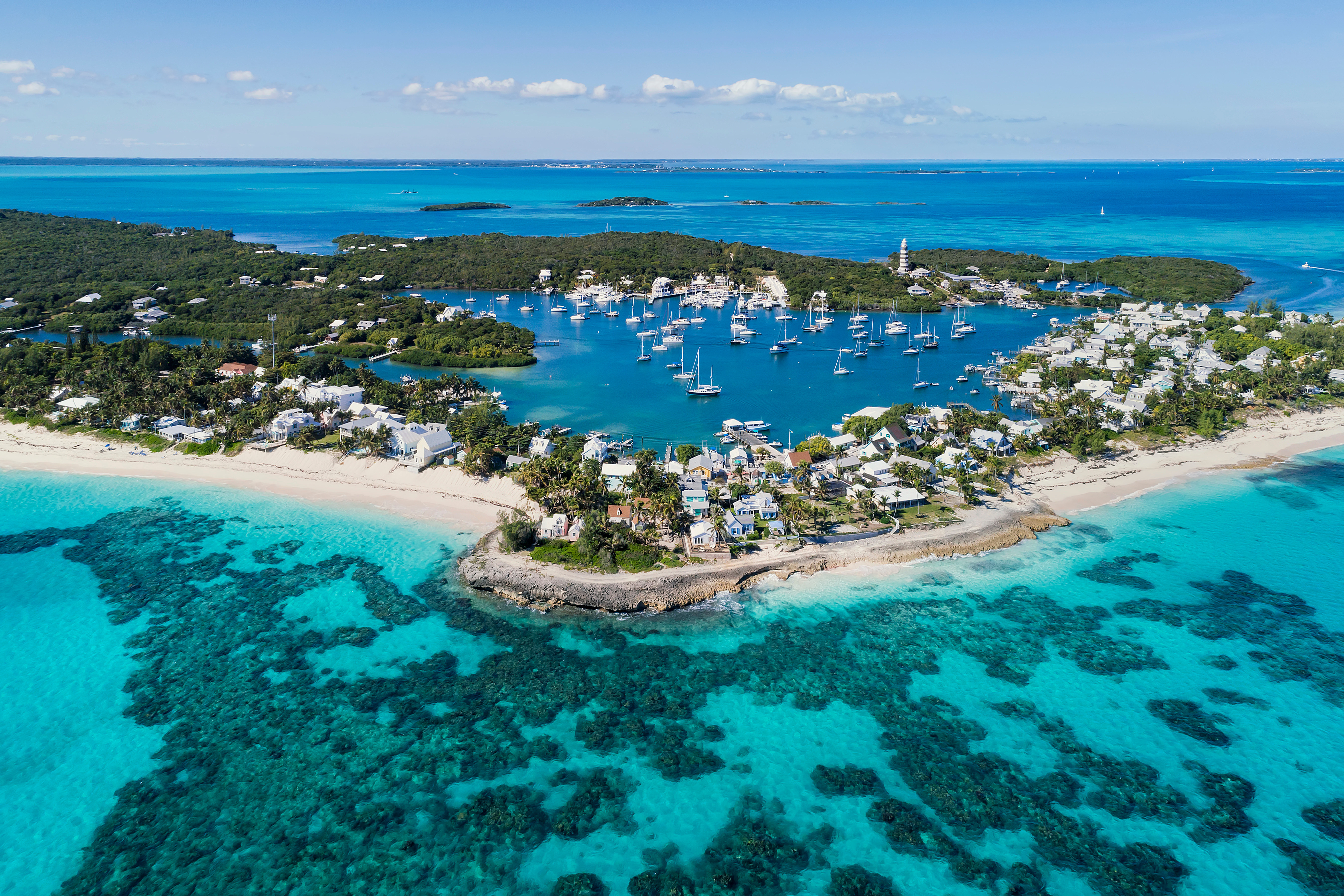
At a Glance
The Abacos are a chain of islands and cays running about 130 miles through the northern Bahamas. They have been, for decades, among the most popular sailing destinations in the Atlantic, the Sea of Abaco, the sheltered body of water between the main island and the outer cay chain, is calm and navigable, the anchorages are good, and the loyalist settlements that dot the outer cays are among the most visually distinctive communities in the Bahamas.
Any current assessment of the Abacos has to start with Hurricane Dorian. In September 2019, Dorian made landfall over Great Abaco as a Category 5 storm, the strongest hurricane ever recorded in the Bahamas, and sat over the island for more than 40 hours. The storm surge in some areas exceeded 20 feet. Marsh Harbour, the main town, was severely damaged. The northern end of Great Abaco, including Treasure Cay, took catastrophic damage. The human toll was significant.
Recovery has been substantial since then. The outer cays, Hope Town, Man-O-War, Green Turtle, Great Guana, are largely restored and functioning. Marsh Harbour has rebuilt considerably, though unevenly. Travelers should verify conditions in any specific area before planning. The fundamental geography, the sailing grounds, and the cay character are intact.
Notable Cays
The Abacos experience is fundamentally organized around the outer cay chain. Each cay has its own character; most visitors combine two or three in a single trip by ferry or water taxi from Marsh Harbour. See Abacos The Cays for detailed coverage of each.
| Cay | Character |
|---|---|
| Elbow Cay | Hope Town; the candy-striped lighthouse; golf-cart village; Tahiti Beach |
| Man-O-War Cay | Dry island; boatbuilding heritage; canvas goods; no cars |
| Great Guana Cay | Nippers beach bar; Sunday pig roast; Atlantic beach |
| Green Turtle Cay | Loyalist heritage; New Plymouth; Albert Lowe Museum |
| No Name Cay | Swimming pigs; uninhabited; less-visited counterpart to Big Major Cay |
Hope Town
Hope Town on Elbow Cay is the most-visited settlement in the Abacos. The lighthouse is the reason: a candy-striped red and white tower, one of the last hand-wound kerosene lighthouses still in operation, standing above the harbor entrance. Visitors can climb it. The view from the top over the anchorage and the reef beyond is the definitive image of the Abacos.
The settlement below is small and car-free. Golf carts are the standard transport. The harbor is lined with wooden buildings in pastel shades. A handful of restaurants, a few shops, an inn or two. It is genuinely pretty and almost entirely without pretension, the visual appeal is real, not manufactured.
Man-O-War Cay
Man-O-War is a working island in a way that Hope Town is not quite. It has a boat-building tradition that predates modern fiberglass construction, and the island still builds and repairs boats. Canvas goods, sailbags, duffels, custom covers, are made and sold here. The island is dry: no alcohol is sold or permitted, a policy rooted in the Methodist faith of the founding families that has been maintained without exception. There are no cars.
It is quieter than Hope Town, less visited, and provides a clearer sense of how the outer cay communities originally functioned. Worth a few hours.
Green Turtle Cay
The northernmost cay on the main circuit, Green Turtle has the most intact loyalist heritage architecture in the Abacos. New Plymouth, the settlement, has a museum, colonial-era buildings, and the kind of small-scale harbor town atmosphere that the Abacos are known for. The Green Turtle Club has been a reliable stop for cruising sailors for decades.
Nippers, Great Guana Cay
Great Guana Cay is primarily known for Nippers Beach Bar and Grill, a beach bar at the edge of the Atlantic shore that runs a significant Sunday beach party drawing visitors from across the Abacos. It is loud, crowded, and deliberately celebratory on Sundays, the antithesis of the other outer cay character. At other times of the week, the Atlantic beach at Great Guana is excellent and comparatively quiet.
Marsh Harbour
The practical base for the Abacos: provisioning, marinas, and the ferry connections to the outer cays. Dorian hit Marsh Harbour harder than any other part of the Abacos, and recovery has been real but ongoing.
Post-Dorian recovery conditions in particular change, verify current status of any specific location before travel.