
At a Glance
The Diving
Grand Bahama's strongest case as a destination is underwater. UNEXSO, the Underwater Explorer's Society, has been running dive operations from Port Lucaya since the 1960s and is one of the most respected dive centers in the Caribbean. The signature programs are a shark dive at Shark Junction, close-proximity encounters with free-swimming Caribbean reef sharks with no cage, and a dolphin program involving open-ocean swims with semi-wild Atlantic bottlenose dolphins. The reefs off the south coast offer a range of sites from shallow snorkeling to wall dives.
Lucayan National Park and Gold Rock Beach
East of Freeport, Lucayan National Park contains one of the longest known underwater cave systems in the world, with more than six miles of mapped passages. Ben's Cavern and Burial Mound Cave are two of the accessible entry points. The system is open to certified cave divers and to snorkelers in specific sections.
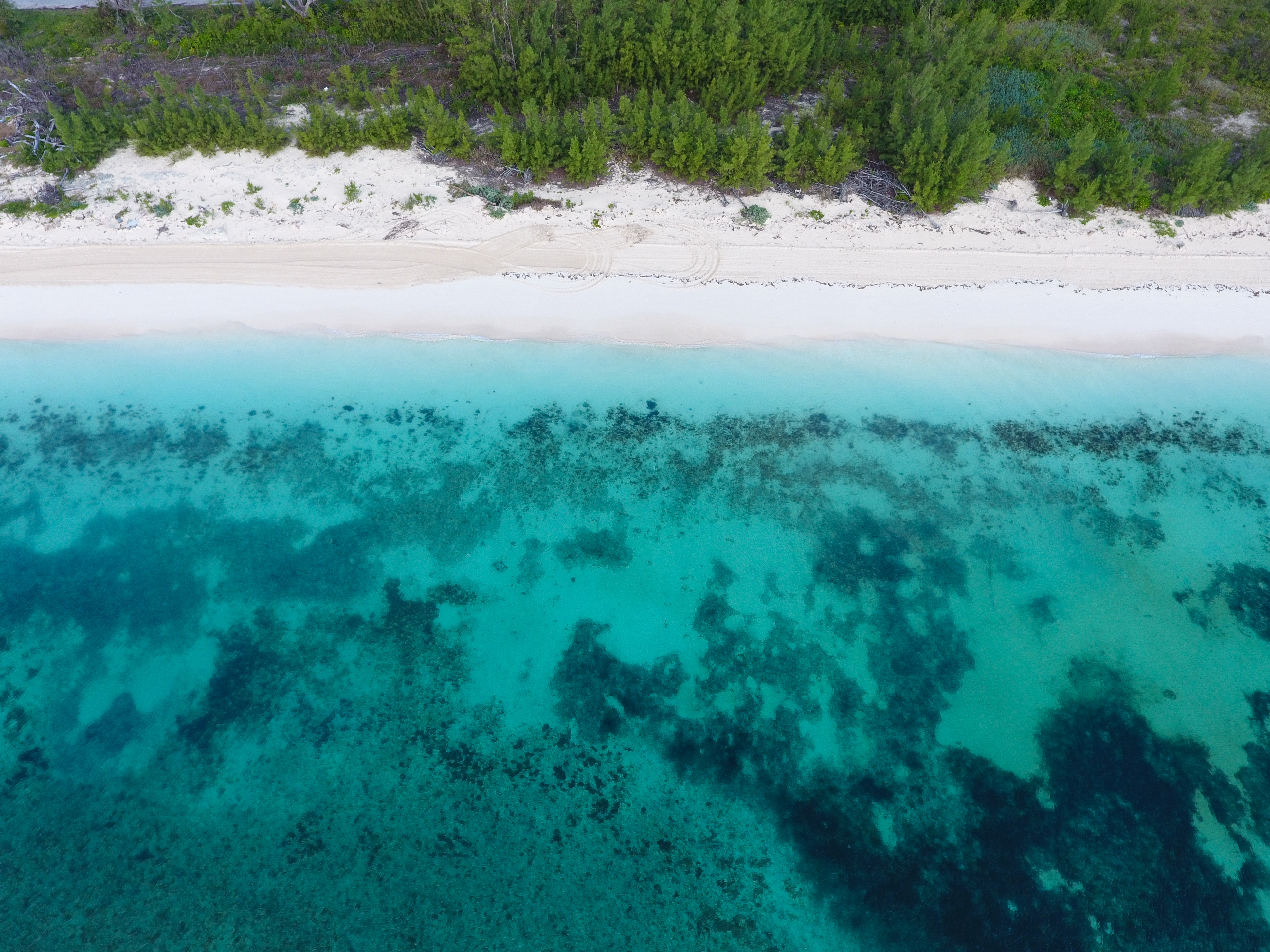
Above water, the park's Gold Rock Beach is the best reason to drive east of Freeport. A tidal creek separates a dense stand of Caribbean pine from a wide beach facing the Atlantic. The beach is long, frequently empty, and set within a landscape that looks different from any other part of the Bahamas. It requires a drive of about 25 miles from Port Lucaya but the combination of the national park setting and the beach quality makes it worth the trip.
Sweeting's Cay and other small cays also sit in this eastern stretch of the island. See Grand Bahama The Cays for detail on reaching them.
Port Lucaya
The main tourist area sits along the south coast waterfront. Port Lucaya Marketplace is an outdoor complex of shops, restaurants, and a marina, built around a central square where live music plays most evenings. Port Lucaya is the second-largest cruise port in the Bahamas, served by lines including Norwegian Cruise Line. The Lucaya resort area concentrated here before Dorian, with several major hotels operating in the district. Recovery has continued since 2019. Verify the current status of specific properties.
Nearby Cays
Grand Bahama has one notable cay accessible as a day trip. See Grand Bahama The Cays for full detail.
Peterson Cay is a small national park cay approximately 1.5 miles off Grand Bahama's south coast, east of Freeport, managed by the Bahamas National Trust. The draw is the surrounding reef: accessible snorkeling and diving in a protected setting, with no facilities ashore. Reached by a 15-20 minute boat ride from Freeport/Lucaya via local charter operators.
Value
Grand Bahama is generally more affordable than Nassau and significantly more affordable than Harbour Island or the upper end of the Exumas. Lower hotel rates and lower restaurant prices, combined with direct Florida access, make it a reasonable choice for budget-conscious travelers who want Bahamian water and marine activity without resort-district pricing.
Post-Dorian recovery conditions change, verify current status before travel.